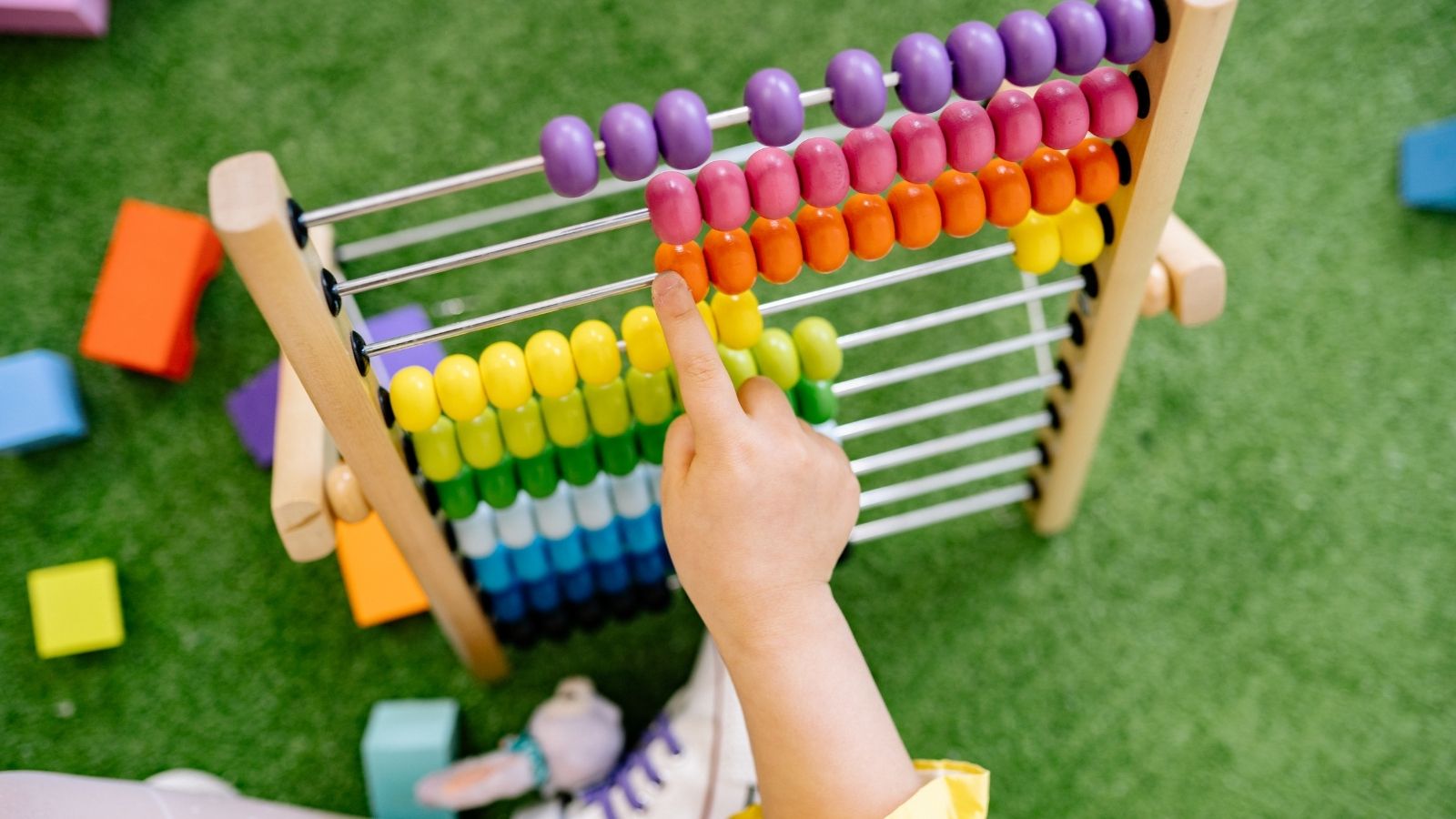
For many years, education was mainly focused on receiving information, memorizing concepts, and passing exams. However, today’s world requires more than theoretical knowledge. Learners need practical skills, creativity, and the ability to apply what they learn in real situations.
This is where experiential learning plays an important role. Experiential learning is an approach that focuses on learning through experiences, activities, and real-world challenges. Instead of only listening and observing, learners actively participate, experiment, reflect, and develop new skills.
Why Experiential Learning Matters
People often learn best when they are directly involved in the learning process. Real experiences help learners connect theory with practice and understand how knowledge can be applied beyond the classroom.
Through interactive activities, simulations, workshops, and projects, students can develop important skills such as teamwork, communication, leadership, and problem-solving.
Learning Through Experience
Experiential learning creates opportunities for learners to explore, make decisions, and learn from their experiences. Whether through entrepreneurship challenges, teamwork activities, or creative projects, every experience becomes a chance for growth.
Making mistakes is also an essential part of this process. When learners try, fail, and improve, they develop resilience and confidence.
Creating Meaningful Learning Experiences
The future of education is moving toward more engaging and learner-centered approaches. By combining creativity, collaboration, and practical experiences, education can become more connected to real-life needs.
Experiential learning is not just about gaining knowledge — it is about building the skills and mindset needed to succeed in a changing world.