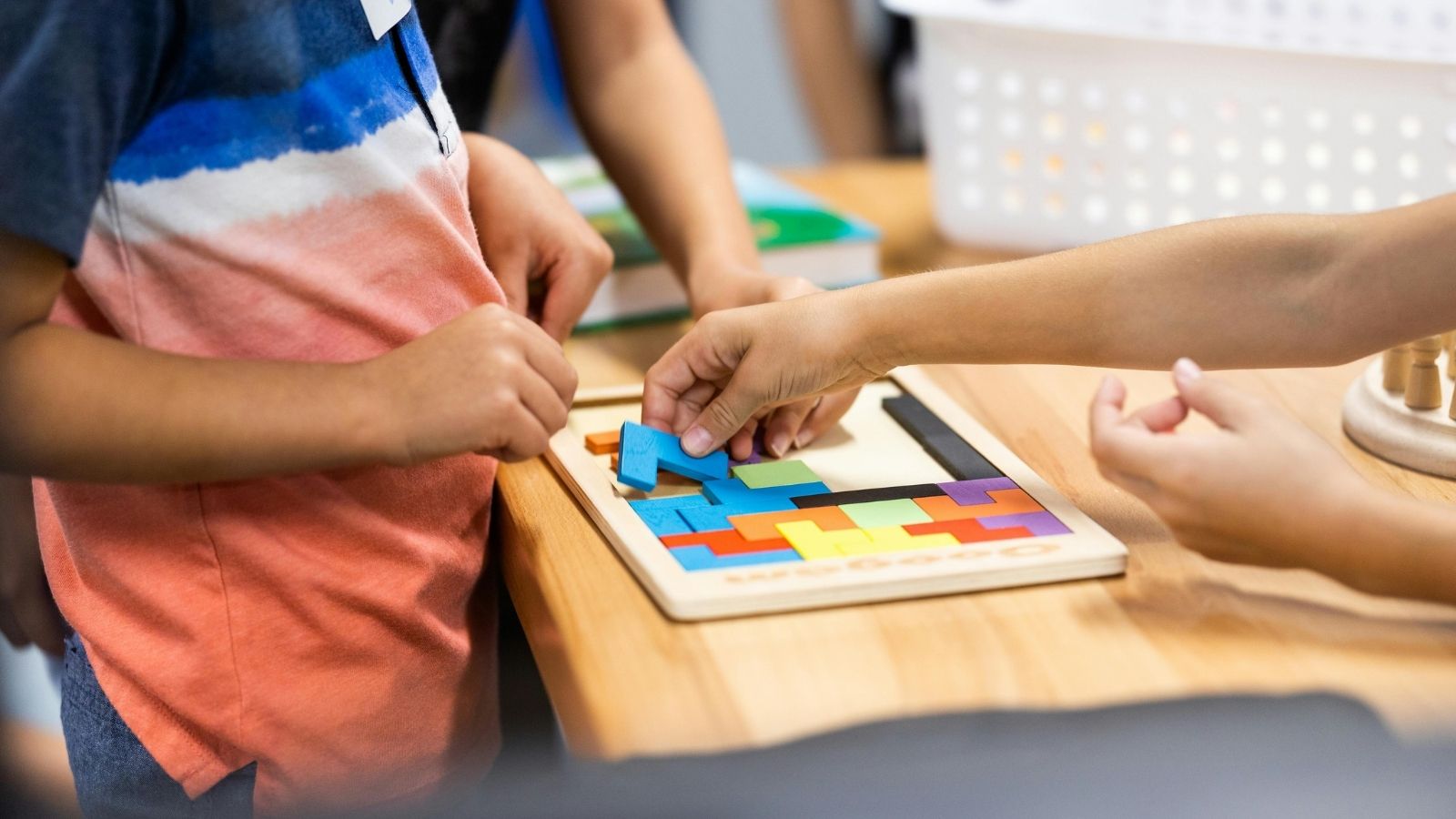
For many years, learning has been associated with traditional methods such as lectures, textbooks, and exams. While these methods remain important, today’s learners are looking for more interactive and engaging experiences. This is where game-based learning and gamification are becoming powerful tools for transforming the classroom.
Although these two concepts are often used together, they have different meanings. Game-based learning uses actual games as a method to teach specific skills or concepts, while gamification applies game elements — such as challenges, rewards, levels, and progress systems — to existing learning activities.
Both approaches share one main goal: making learning more engaging, meaningful, and motivating for students.
The Power of Learning Through Games
Games naturally encourage curiosity, exploration, and problem-solving. When students play, they are not only trying to achieve a goal, but they are also practicing decision-making, collaboration, and critical thinking.
Games naturally encourage curiosity, exploration, and problem-solving. When students play, they are not only trying to achieve a goal, but they are also practicing decision-making, collaboration, and critical thinking.
This creates a learning experience where students are emotionally and intellectually connected to what they are learning.
Game-Based Learning: Turning Lessons Into Experiences
Game-based learning uses games as a structured educational approach. The game itself becomes the environment where learning happens.
For example, students can learn business skills through simulation games, practice teamwork through challenges, or develop problem-solving abilities through interactive activities. The focus is not only on winning the game but on the knowledge and skills gained throughout the experience.
By creating realistic scenarios, games allow students to practice skills in a safe environment where experimentation and failure become part of the learning process.
Gamification: Adding Game Elements to Education
Gamification does not require creating a complete game. Instead, it introduces motivational elements from games into normal learning activities.
Some common examples include:
Progress Tracking: Helping Students See Their GrowthOne challenge in education is that students do not always recognize their improvement. Progress systems can make learning achievements more visible.
Using levels, milestones, or achievement paths helps students understand where they are and what they need to accomplish next. This creates a stronger sense of motivation and encourages continuous improvement.
Challenges and Missions: Making Learning More EngagingReplacing traditional tasks with missions or challenges can make students feel more involved.
Instead of simply completing an assignment, students can work toward solving a problem, completing a mission, or achieving a specific goal. This adds purpose and excitement to the learning process.
Rewards and Recognition: Celebrating AchievementsRecognition is an important part of motivation. Badges, certificates, points, or other achievement systems can encourage students by celebrating their efforts and progress.
When rewards are connected to real learning outcomes, they become a way to highlight skills, creativity, and improvement rather than just competition.
Creating the Classroom of the Future
The purpose of game-based learning and gamification is not to replace teachers or turn education into entertainment. Their role is to support educators by creating more interactive and learner-centered experiences.
Every student learns differently, and modern education needs flexible approaches that encourage participation, creativity, and collaboration.
By combining educational goals with the engaging power of games, classrooms can become spaces where students are not only gaining knowledge but also developing the skills needed for real-world challenges.